Why Class Societies Are Failing at Digital Transformation: A Survey of IACS UR Z Compliance Gaps
The maritime inspection industry faces a critical inflection point. While the International Association of Classification Societies (IACS) has established frameworks for remote inspection technologies, the implementation reveals significant gaps between regulatory intent and operational reality.
6 min read
The maritime inspection industry faces a critical inflection point. While the International Association of Classification Societies (IACS) has established frameworks for remote inspection technologies, the implementation reveals significant gaps between regulatory intent and operational reality.
The Promise Versus the Reality
When IACS issued Unified Requirement UR Z29 on remote surveys in March 2022, effective January 1, 2023, it was supposed to be the industry's answer to modernizing ship inspections. The regulation was designed to "set the foundation for suitable procedures and instructions for Remote Inspection Techniques (RIT)" according to maritime safety experts.
Yet eighteen months later, the rollout has been uneven at best. Having worked closely with inspection teams across major Class Societies, I've witnessed firsthand how the promise of streamlined digital inspections has collided with the messy reality of implementation.
The Core Problem: UR Z17 vs. UR Z29 Confusion
The fundamental issue lies in the relationship between IACS UR Z17 (Procedural Requirements for Service Suppliers) and the newer UR Z29 (Remote Survey Requirements). Research has identified "crucial shortcoming limitations in the IACS-developed international common minimum standards that govern the usage of RIT" when comparing requirements developed by individual Classification Societies against the unified standards.
The problem isn't just technical—it's structural. UR Z17 establishes requirements for service suppliers including ROV operators and inspection contractors, while UR Z29 attempts to overlay remote survey procedures. But the two frameworks don't align cleanly, creating what I call "regulatory gray zones" where inspection teams operate without clear guidance.
Real-World Implementation Gaps
Service Supplier Certification Bottlenecks
Under UR Z17, service suppliers must undergo rigorous approval processes. However, the criteria for remote inspection capabilities were developed before widespread adoption of AI-powered analysis tools or autonomous underwater vehicles (AUVs).
The result? Traditional ROV contractors who've worked with Class Societies for decades find themselves scrambling to meet digital documentation standards that were designed by committee rather than informed by operational experience.
Data Quality Standards Misalignment
Classification societies are increasingly using digital tools including drone inspections, 3D scanning, and remote monitoring, but there's no consistent standard for what constitutes acceptable data quality across the IACS framework.
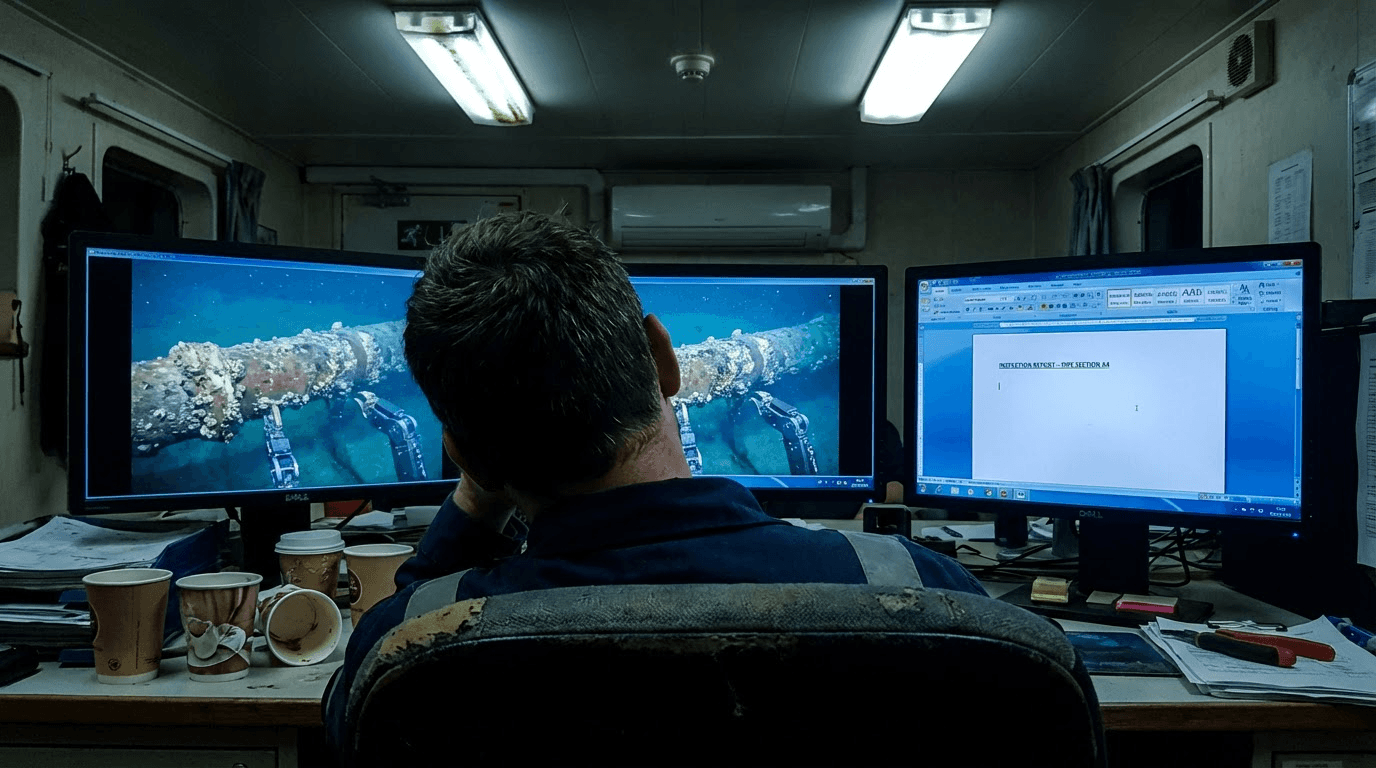
I've seen inspection teams collect terabytes of high-resolution underwater footage, only to have it rejected because it doesn't meet undefined "professional survey" standards. The lack of clear technical specifications in UR Z29 has created a situation where each surveyor effectively sets their own standards.
The Class Society Divide
The implementation challenges vary significantly between major Class Societies, revealing how differently they interpret the same IACS requirements:
DNV's Approach
DNV GL has historically required that "The attending DNV GL surveyor will watch the details of the close-up inspection through a live video stream" with data compiled into final reports. This real-time verification approach creates operational constraints but provides clear documentation trails.
Lloyd's Register's Evolution
Lloyd's Register, founded in 1760, has over 260 years of maritime expertise built on "professional survey" standards. Their approach to remote inspection tends to emphasize post-analysis verification rather than real-time monitoring, reflecting their traditional surveyor-centric model.
The problem? These different approaches create inconsistent service requirements for contractors working across multiple Class Societies.
Technical Standards vs. Operational Reality
ROV Equipment Specifications
UR Z17's equipment requirements were written for traditional ROV operations: "Any special equipment necessary for the work carried out" and "ROVs conducting inspections on vessels." These generic specifications don't address the sophisticated sensor arrays, AI processing capabilities, or data transmission requirements that modern remote inspections demand.
Surveyor Training Gaps
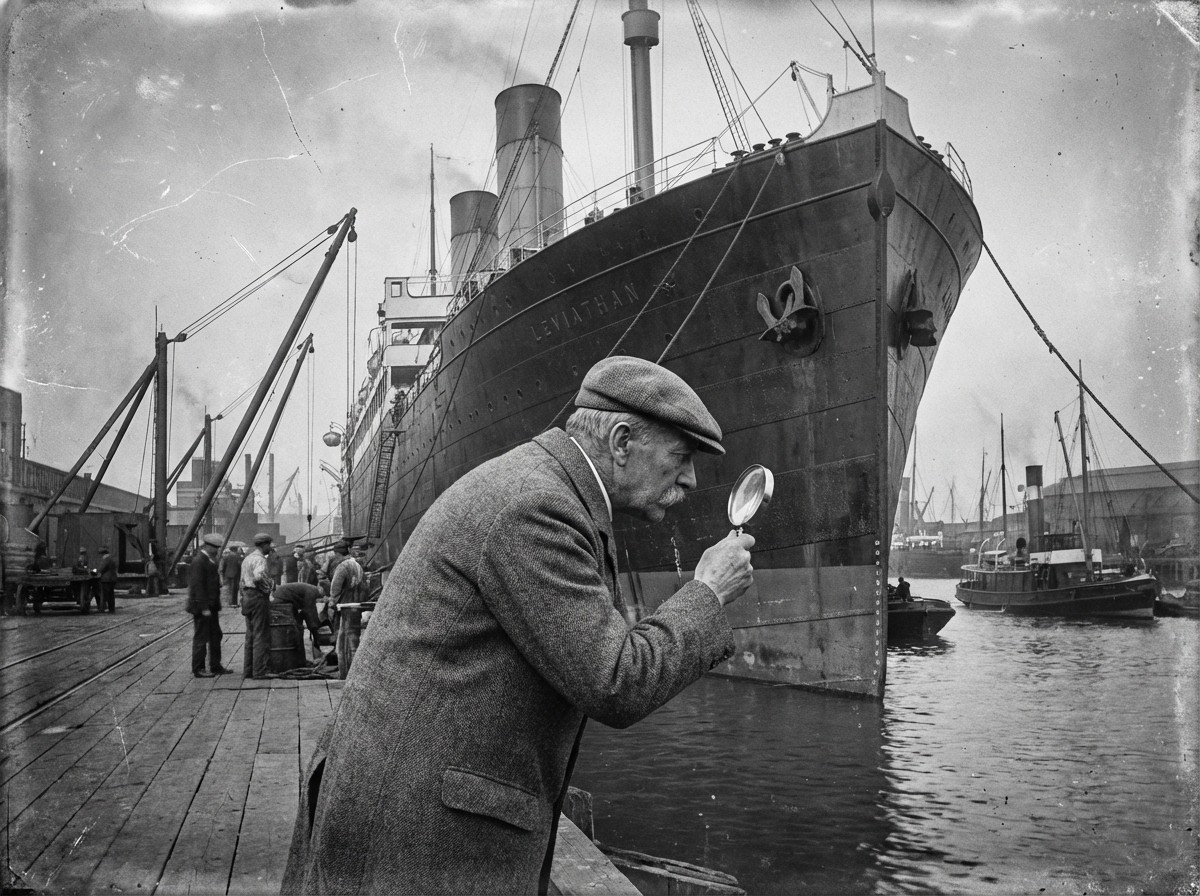
The most significant implementation failure lies in surveyor training. The Heritage & Education Centre at Lloyd's Register maintains historical archives showing how surveyor roles evolved from the early days when they physically examined ships to today's digital analysis requirements.
Yet current IACS requirements don't specify minimum digital literacy standards for surveyors reviewing remote inspection data. I've worked with experienced surveyors who can spot a hairline crack in steel plating at 30 meters underwater but struggle to validate AI-generated defect classifications.
The Compliance Theater Problem
Perhaps most troubling is the emergence of what I term "compliance theater"—where inspection contractors focus more on meeting documentation requirements than actual inspection quality. The complexity of UR Z17's service supplier requirements has created a cottage industry of consultants helping ROV companies navigate paperwork while the underlying inspection capabilities remain unchanged.
Case Study: Cable Transit Inspections
New IACS requirements related to cable transits under UR Z28, Z23, and Z17 illustrate this problem. Classification societies must now audit companies seeking approval as service suppliers for cable transit inspections, but the technical standards for these inspections weren't developed in consultation with the contractors who actually perform them.
Market Forces vs. Regulatory Intent
The inspection industry's economic pressures compound these regulatory challenges. Growing competition among subsea service providers often leads to price pressures, affecting profit margins, while the transition toward renewable energy challenges traditional contractors to adapt rapidly.
Meanwhile, next-generation automation is redefining inspection economics, with manufacturers developing hybrid observation systems that combine traditional inspection capabilities with new functionalities like underwater LiDAR scanning.
The disconnect is stark: IACS requirements assume a relatively stable technology landscape, while the actual market is rapidly evolving toward AI-driven autonomous systems that don't fit neatly into existing regulatory categories.
What Needs to Change
Clear Technical Standards
IACS needs to replace vague requirements like "suitable procedures" with specific technical standards for:
Data resolution and quality metrics
AI algorithm transparency and validation
Real-time vs. post-processing analysis protocols
Digital chain of custody requirements
Surveyor Competency Updates
The industry needs mandatory digital competency standards for surveyors reviewing remote inspection data, including:
Understanding of sensor limitations and capabilities
Basic AI/ML interpretation skills
Digital evidence validation protocols
Unified Implementation Guidelines
Rather than allowing each Class Society to interpret UR Z29 differently, IACS should provide detailed implementation guidelines that ensure consistent service requirements across all member societies.
The Path Forward
The maritime inspection industry stands at a crossroads. The regulatory framework exists to enable digital transformation, but implementation failures are creating inefficiencies that benefit no one—not asset owners, not inspection contractors, not Class Societies.
As one industry expert noted, "Remote Inspection Techniques are a means of survey that enables examination of any part of a structure without the need for direct physical access of the surveyor." But realizing this vision requires more than regulatory intent—it demands operational clarity.
The Class Societies that successfully navigate this transformation will be those that move beyond compliance theater to genuine operational innovation. Those that don't risk becoming obstacles to the very modernization they're supposed to facilitate.
The question isn't whether remote inspection technology will transform maritime surveys—it's whether the regulatory framework will evolve quickly enough to enable rather than hinder that transformation.
Swim with us
The latest in AI and marine surveying. Unlock the depths with AI.